
01 - Discover
We map the terrain: goals, constraints, and the real problem underneath the brief.
Develi is a small studio in New York building marketing sites, products, and the interactions that make them feel alive. We work with founders who care about the last five percent — the part most teams call "polish" and quietly skip.

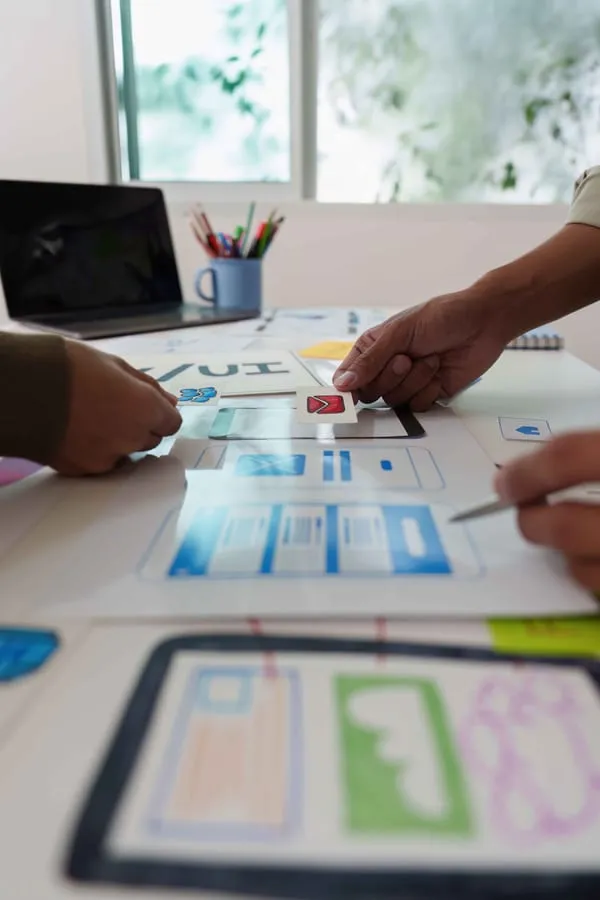

Editorial, fast, and built to make a first impression do real work. We design and build in Astro, ship static where we can, and treat performance as a design constraint rather than an afterthought. The result is a site that ranks, reads well, and doesn't fall apart on a mid-range phone in a taxi.
You get: design direction, responsive build, CMS your team can actually run, Core Web Vitals in the green, and a codebase that's yours to keep.
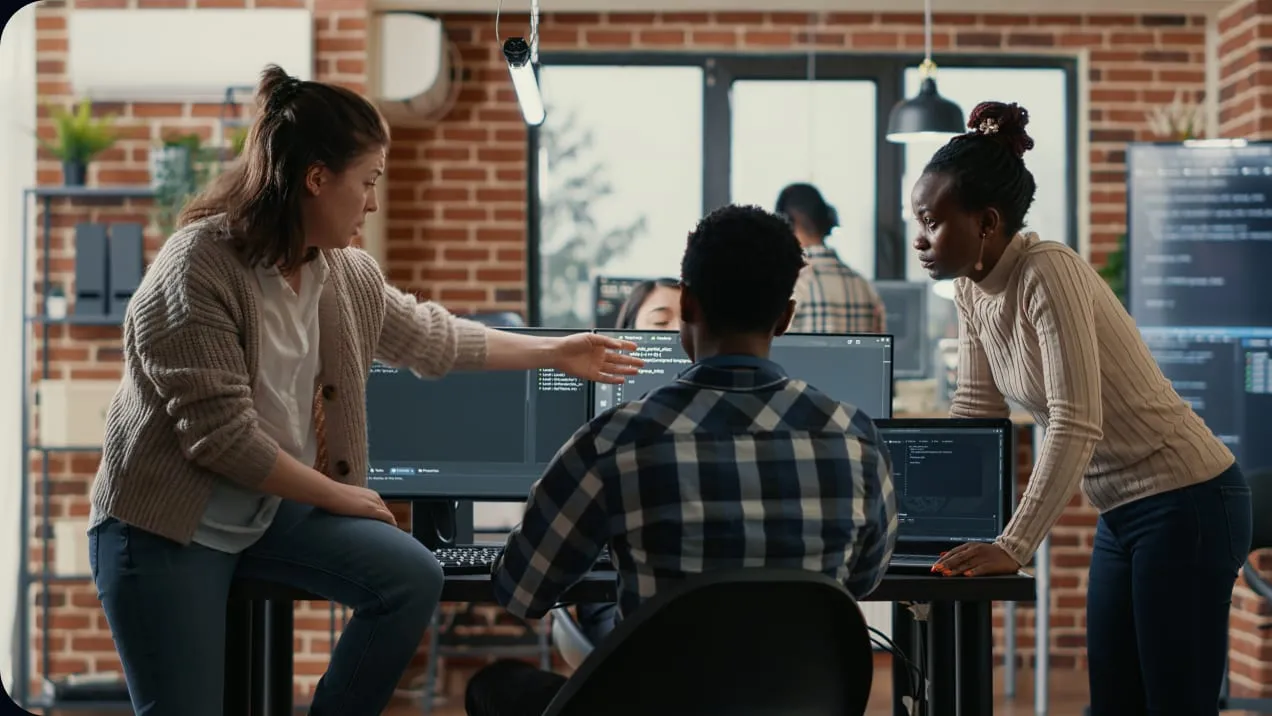
The unglamorous work that decides whether a product still ships in year three: data models that hold, boundaries that stay where you drew them, and tests that fail for the right reasons. We join at whatever stage hurts — greenfield, rescue, or the migration nobody wants to own.
You get: architecture you can explain to a new hire, types end to end, deploys that are boring, and a test suite that earns its runtime.

Retrieval, agents, and assistive interfaces built against real evaluation rather than vibes. We start from the task a person is actually trying to finish, keep a human in the loop wherever the stakes need one, and measure the thing before it ships.
You get: an evaluated pipeline, cost and latency you can see, graceful failure when the model is wrong, and no vendor you can't swap out.
Threat modelling while the architecture is still cheap to change, then the fundamentals done properly: authentication and session handling, least-privilege access, secrets that never reach a repository, and a dependency tree you can account for.
You get: a reviewed auth flow, hardened headers and a real CSP, an audited dependency tree, and a written incident path for the day you need one.

Interface motion that carries information — where a thing came from, what just changed, what is still loading — plus the occasional set piece when the brief earns it. Built on the platform first: scroll-driven animation and view transitions, and only then a shader.
You get: a motion language rather than a pile of effects, reduced motion honoured everywhere, and a frame budget nobody has to apologise for.

Tokens, primitives, and the documentation that makes them findable — sized to the team that has to maintain it rather than to a conference talk. We would rather ship thirty components people reach for than a hundred nobody trusts.
You get: a themed token layer, accessible primitives with real states, usage docs beside the code, and a contribution path that survives us leaving.
Four steps, no black boxes. You see working software early, know exactly where things stand at every stage, and end up with something you can run without us — or with us, for as long as you want us in orbit.
We map the terrain: goals, constraints, and the real problem underneath the brief.
Architecture and interface decided together, so nothing gets lost in handoff.
Tight iterations, working software early, no black boxes.
We ship with the monitoring, docs, and handover to run it without us.
A set number of hours each month for teams who need us reliably, not just once. Best for ongoing product work and evolving sites.
Fixed scope, fixed price, defined finish line. Best when you know what you want built and want it done.
We embed with your team and work as one of your own for a stretch. Best when you have the direction and need the hands.
Develi didn't just build what we asked for — they told us what we actually needed, then shipped it faster than our internal team thought possible.
Marcus B.
CTO, Halcyon Labs
They came in mid-project, read the whole codebase in a week, and had the migration mapped out before we'd finished onboarding them.
Priya N.
VP Engineering, Northwind
The handover was the part that sold us. Docs, monitoring, and a team that could run it without them — exactly what was promised at the first call.
Tomas L.
Founder, Ridgeline
Boring in the best way. No heroics, no surprises, and the thing has been in production for two years without an incident.
Ada O.
Head of Product, Fieldnote
Tell us what you're building. We'll tell you how we'd approach it — no pitch deck required.
Book a call